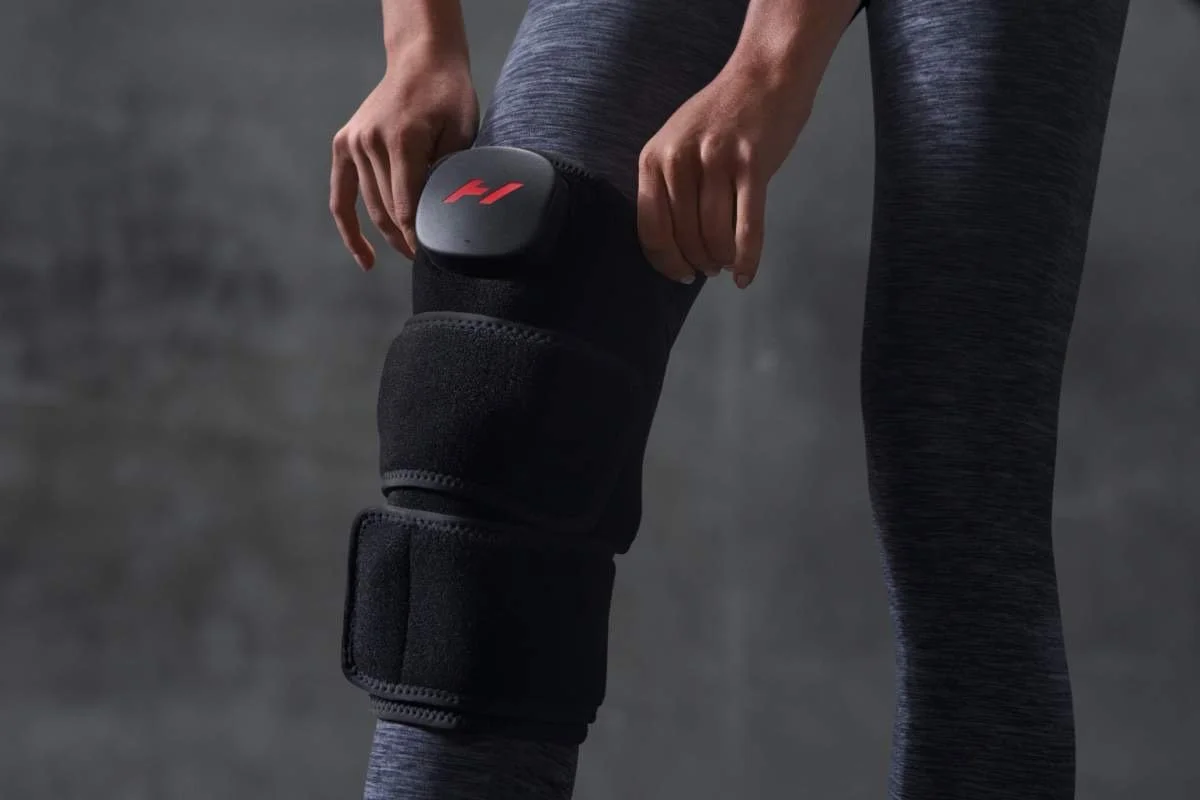
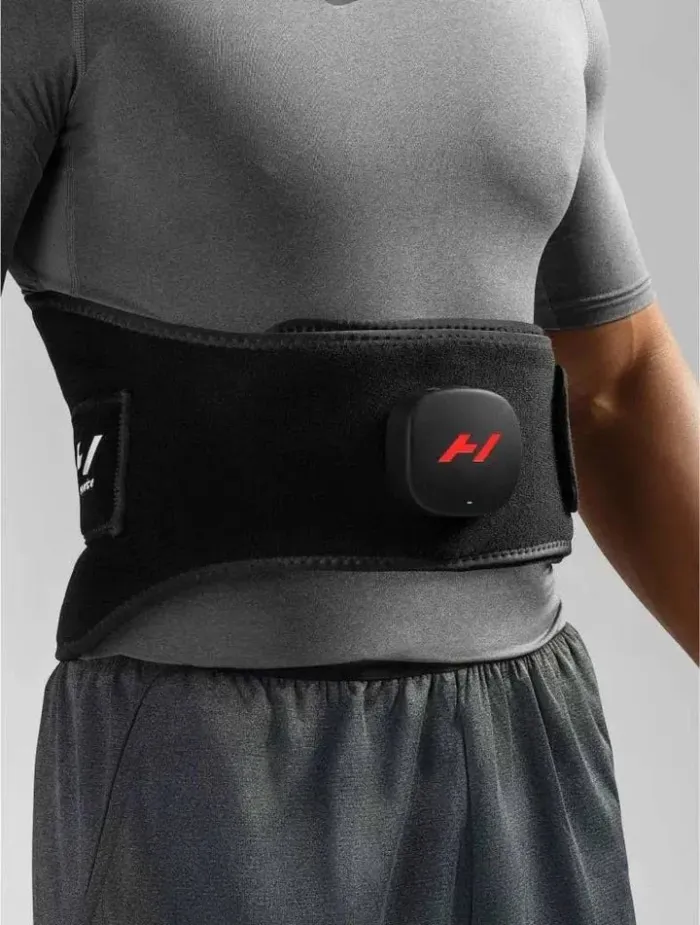
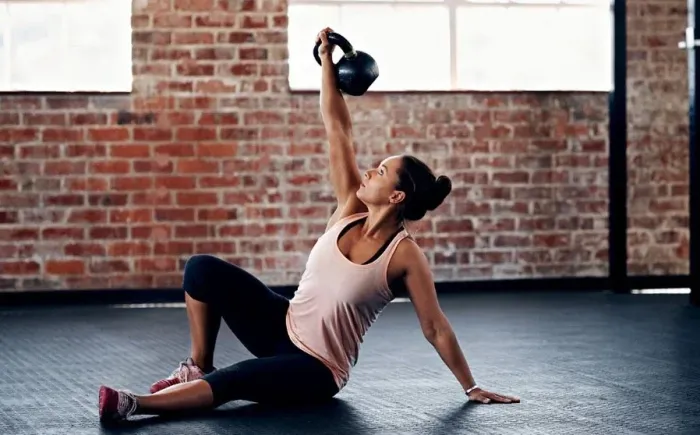
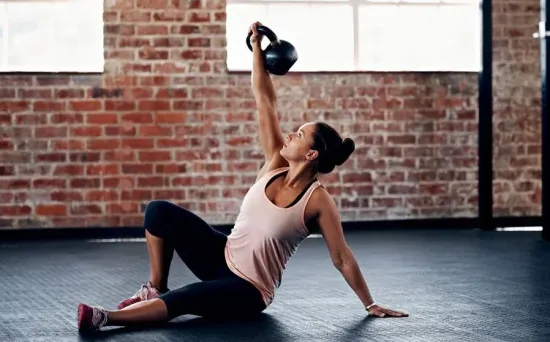
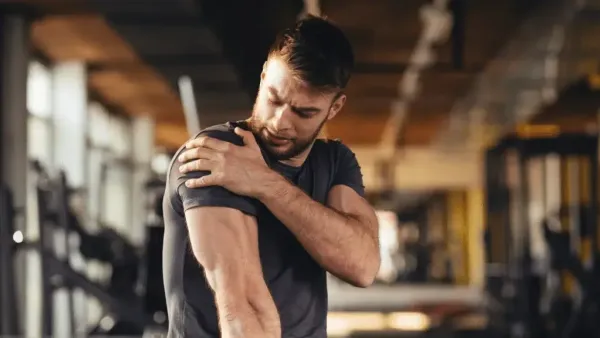
used to help restore normal body movement patterns. dynamic functional stability or nueromuscular re-education is based on neuroplasticity, which is the brain’s ability to form new neural connections and re-organize in response to experience and learning. By targeting specific muscle groups and enhancing neuromuscular control, this form of therapy promotes improved coordination, strength, and functional movement, ultimately leading to enhanced mobility and reduced risk of future injuries.
Our
Services
Our Services
Percussion
Therapy
Percussion
Therapy
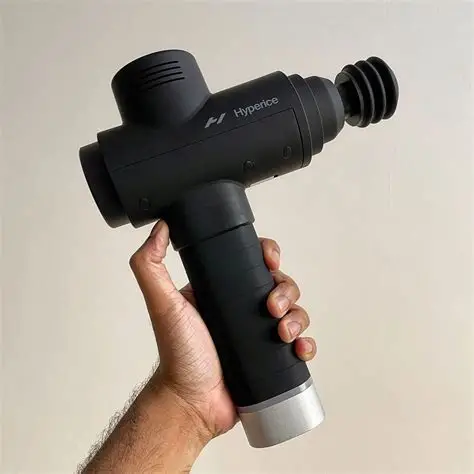
Percussion therapy works by delivering short, high-intensity pulses of pressure to the muscles. This pressure helps to increase blood flow and reduce inflammation.
We use a professional-grade massage device with multiple speeds that lets us target our patients’ specific needs. Percussive therapy essentially massages soft tissues as it pulsates over muscle fibers, but in a way that allows a person to target specific areas by aiming the massage head of the gun. The power of the machine can penetrate deeper than human hands in traditional sports massage, and works out deep muscle tension, while increasing blood flow to the area. This action leads to a long list of benefits that apply not only to the professional athlete, but to anyone experiencing tension, pain, tight muscles, or immobility.
Percussion therapy can improve a wide-range of lifestyles with its numerous benefits. One of the main reactions caused by percussive therapy is an increased blood flow and improved lymphatic circulation.
Better blood flow leads to more oxygen, which helps reduce swelling and stiffness after a workout. many trainers and athletes have recognized this benefit, and have applied vibration therapy in order to enjoy faster post-workout recovery, and to reduce the risk of cramping and pain after an exercise.
Percussion therapy has been shown to be an effective treatment for:
-
Tendinitis
-
Myofascial trigger points
-
Arthritis
-
Delayed onset muscle soreness
-
Muscle stiffness
-
Chronic pain
Dynamic
Cupping
Dynamic
Cupping
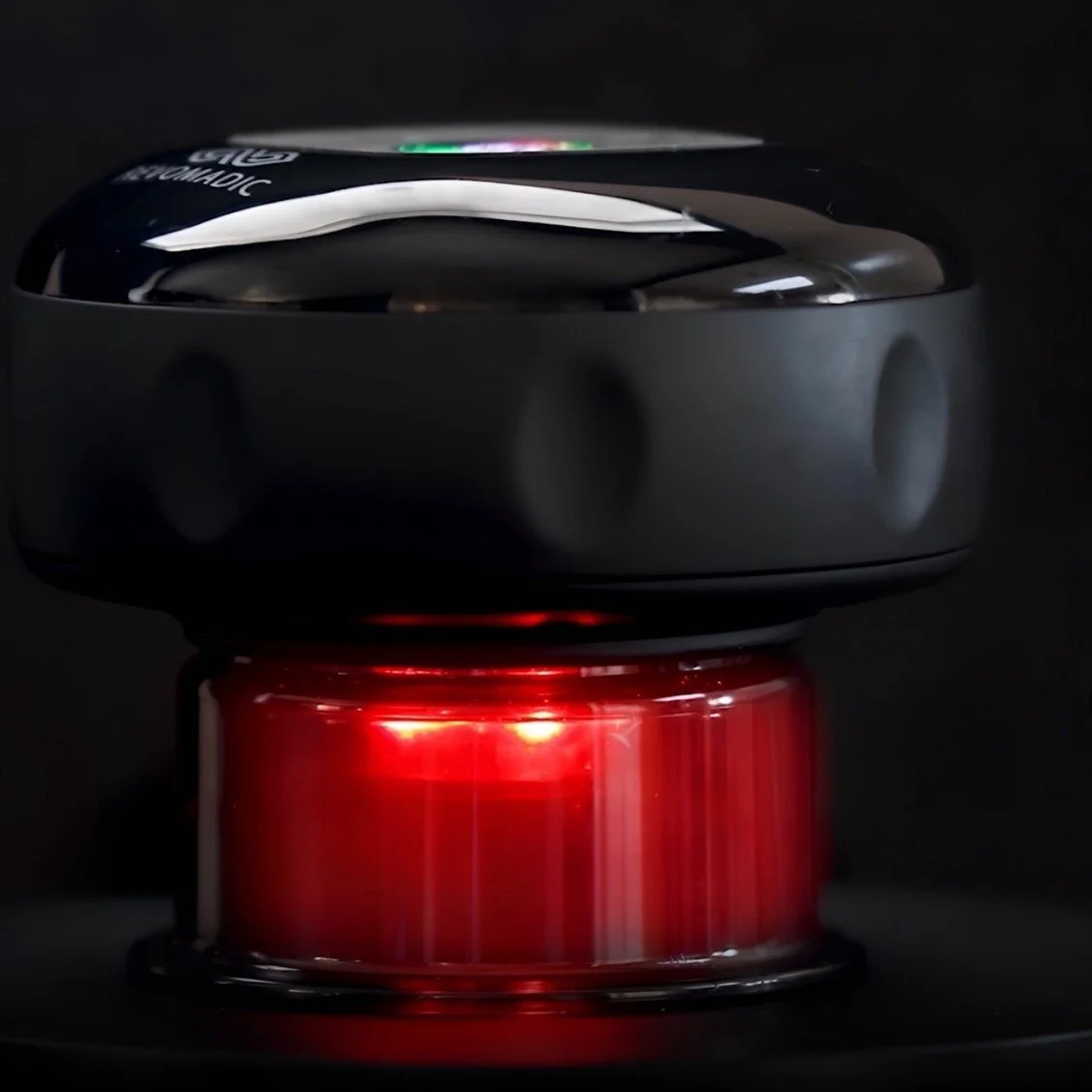
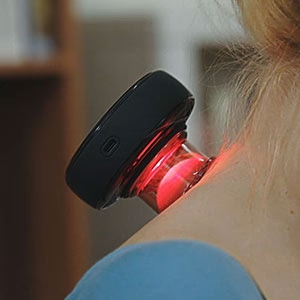
Today, cupping therapy is becoming more and more popular. In short, cupping uses various methods to remove the air in containers to form a negative pressure creating a sucking effect on the skin. During this process, cupping causes deep tissue congestion or stagnation, promotes local blood circulation, and therefore achieves the effects of a reduction in pain.
Dynamic cupping technology combines traditional therapy with advanced technologies. Through the process of rhythmic alternation of suction and release, blood circulation would speed up and the recovery process would become faster. dynamic cupping has a more significant effect on stimulating the subcutaneous nerves, thereby speed up the process of relaxing muscle tightness and reducing pain and soreness.
the cupping technology we use have dynamic cupping functions, which provides 5 different cupping modes of dynamic suction and release to boost blood circulation faster to the cupped areas, therefore speeding up the recovery.
Instrument
assisted
soft tissue
mobilization
Instrument
assisted
soft tissue
mobilization
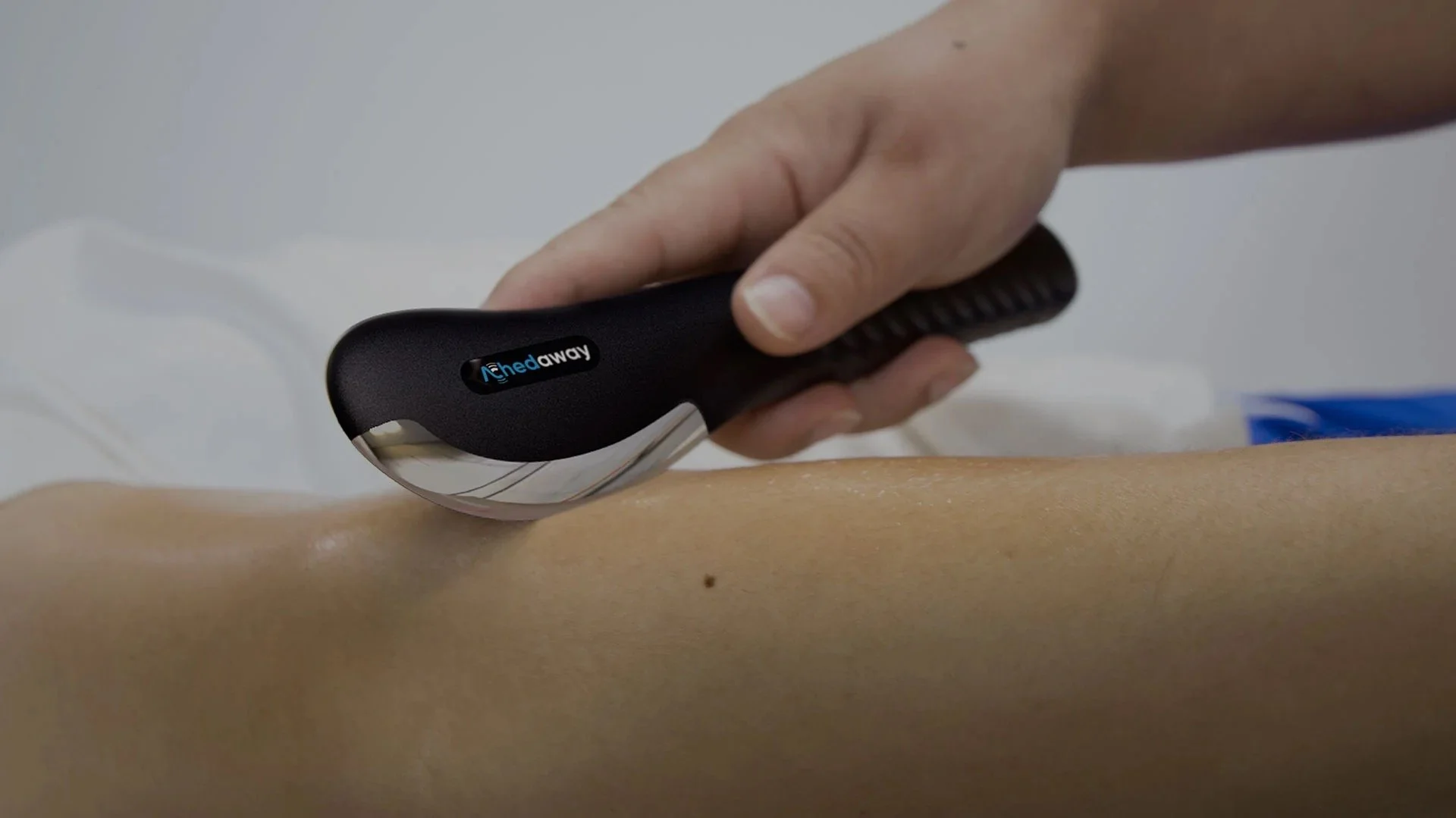
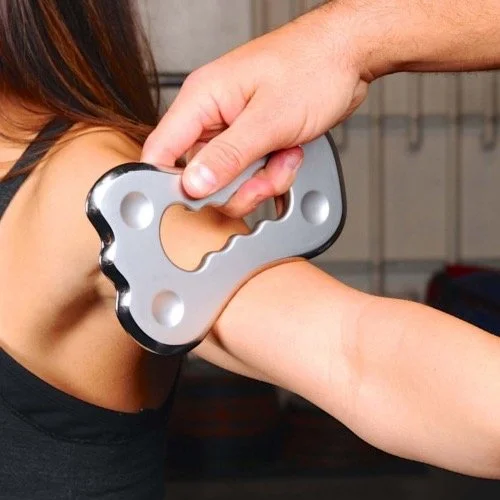
Instrument-assisted soft tissue mobilization employs specialized tools to manipulate the skin, myofascia, muscles, and tendons by various direct compressive stroke techniques. This technique enhances tissue healing, reduces pain, and accelerates rehabilitation processes, providing effective relief for various musculoskeletal conditions.
The Achedaway Scraper is a heated muscle scraper that combines muscle scraping therapy and heat therapy in one device. The Achedaway Scraper is a good tool for:
-
Warming up the soft tissue faster
-
Increased blood flow to the muscles
-
Reduced muscle pain and soreness
-
Improved range of motion
-
Reduced inflammation
-
Enhanced relaxation
Get in touch with your questions
Muscle Release
Technique
Muscle Release
Technique
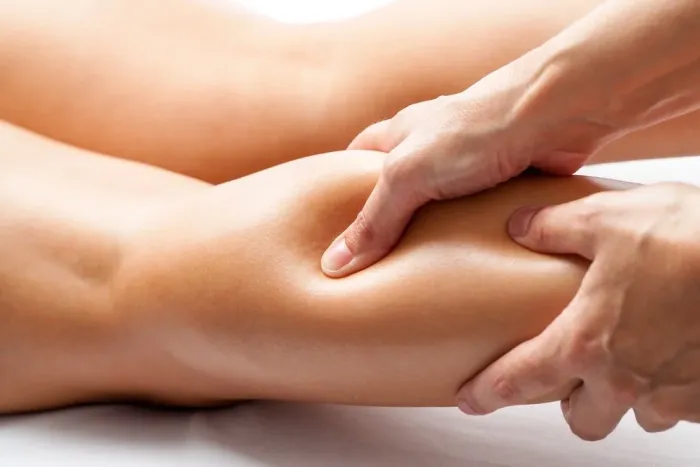
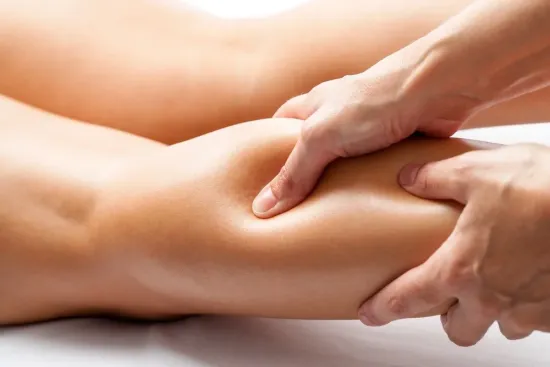
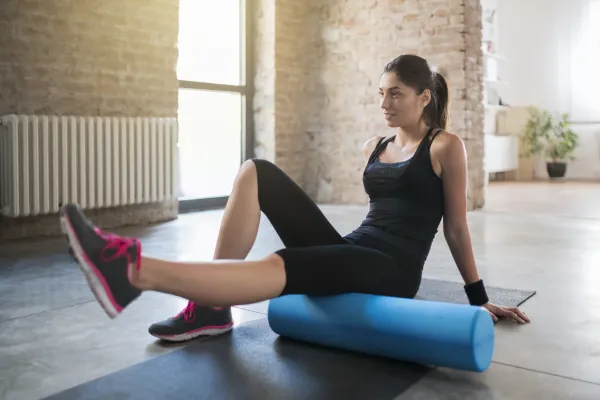
Myofascial release is a manual therapy technique that targets pain and reduced mobility stemming from the fascia, which is the thin connective tissue that keeps your bones, organs, nerves and muscles in place. Myofascial release therapy involves the physical therapist using their hands in massage-like movements to break up tight muscle tissue that’s causing pain and reduced range of motion.
The benefits of myofascial release therapy include:
Increased range of motion.
Reduced pain and soreness.
Improved circulation.
Adjustments & Joint
Mobilization
Adjustments & Joint
Mobilization
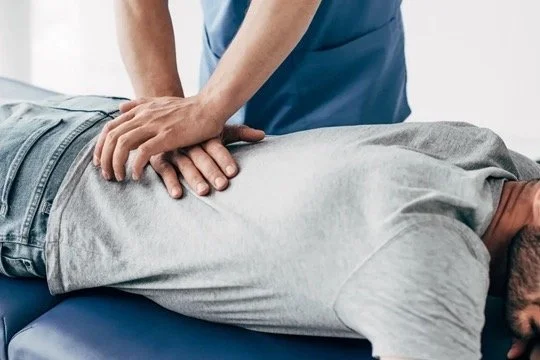
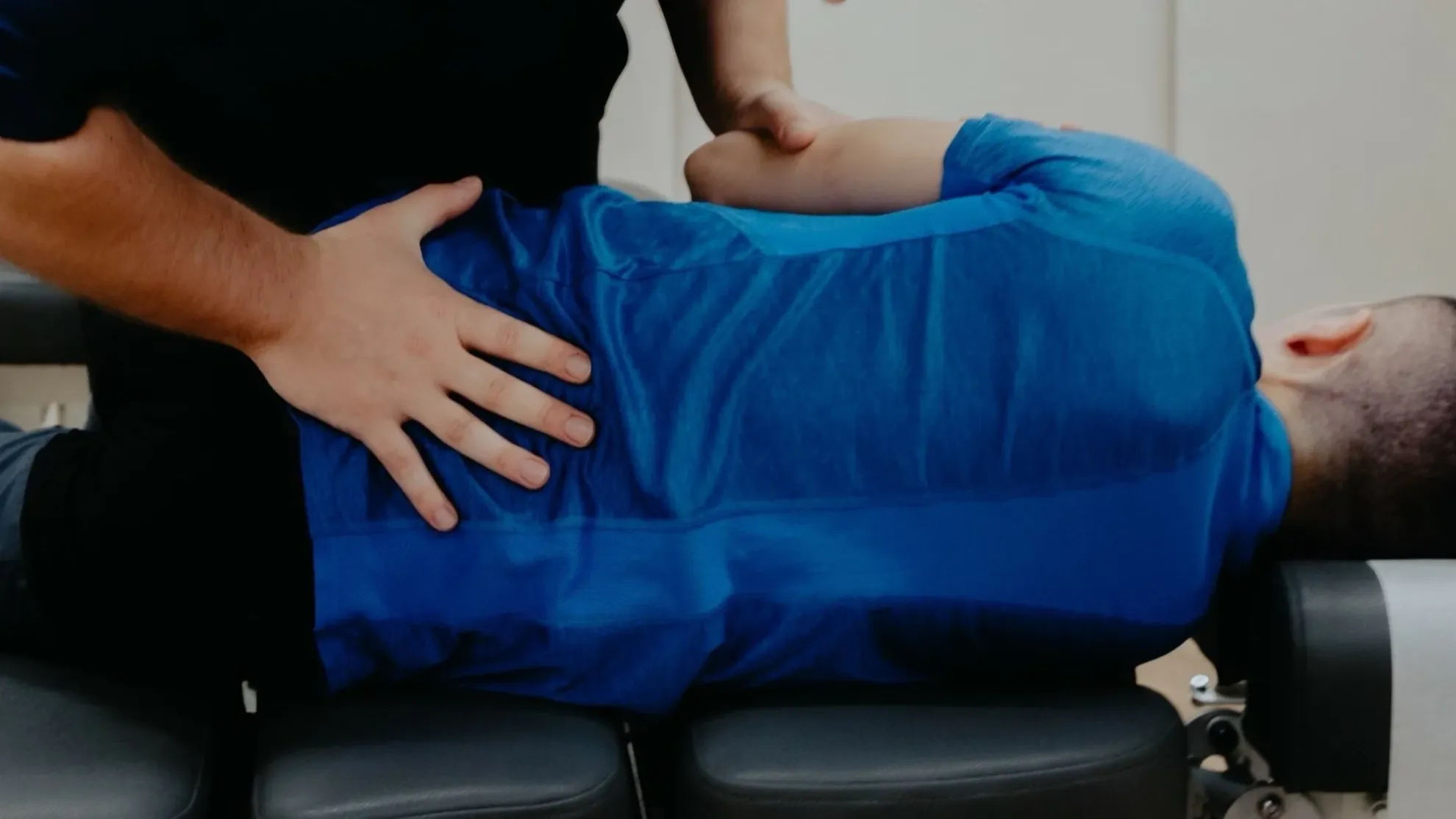
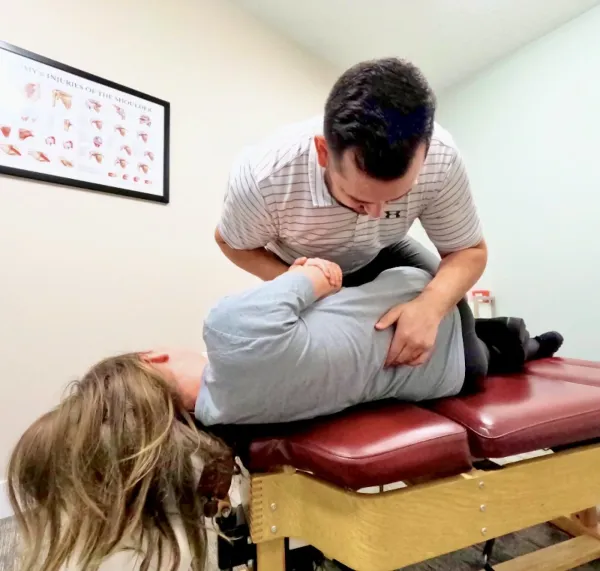
Adjustments refer to a chiropractic technique where a chiropractor uses their hands to apply a controlled, fast directional thrust to a misaligned spinal joint.
Joint Mobilization offers targeted manual techniques to improve joint range of motion, reduce stiffness, and alleviate pain. By restoring proper joint mechanics and function, patients experience enhanced flexibility and mobility, facilitating their overall rehabilitation progress and quality of life.
By using these techniques, chiropractors can help:
-
Improve spinal flexibility.
-
Reduce back, neck, and extremity pain.
-
Return your spine to its natural alignment.
-
Release nerves pinched by a misalignment.
-
Reduce the risk of future headaches, pain and other issues caused by subluxations.
Contrast
Therapy
Contrast
Therapy
In contrast therapy, the goal is to alternate between cold and hot therapies. The transitions between heat and cold cause a “pumping” effect on the circulatory system, which helps to flush out waste products and promote oxygen and nutrient delivery to muscles and other tissues.
Benefits of Contrast Therapy?
-
Improved Circulation: The alternating dilation and constriction of blood vessels improve blood flow throughout the body.
-
Enhanced Muscle Recovery: The combination of heat and cold reduces muscle soreness and speeds up recovery after exercise or strenuous activity.
-
Immune System Boost: The thermal stress from this therapy can stimulate the immune system and increase resistance to illnesses.
Normatec
Therapy
Normatec
Therapy
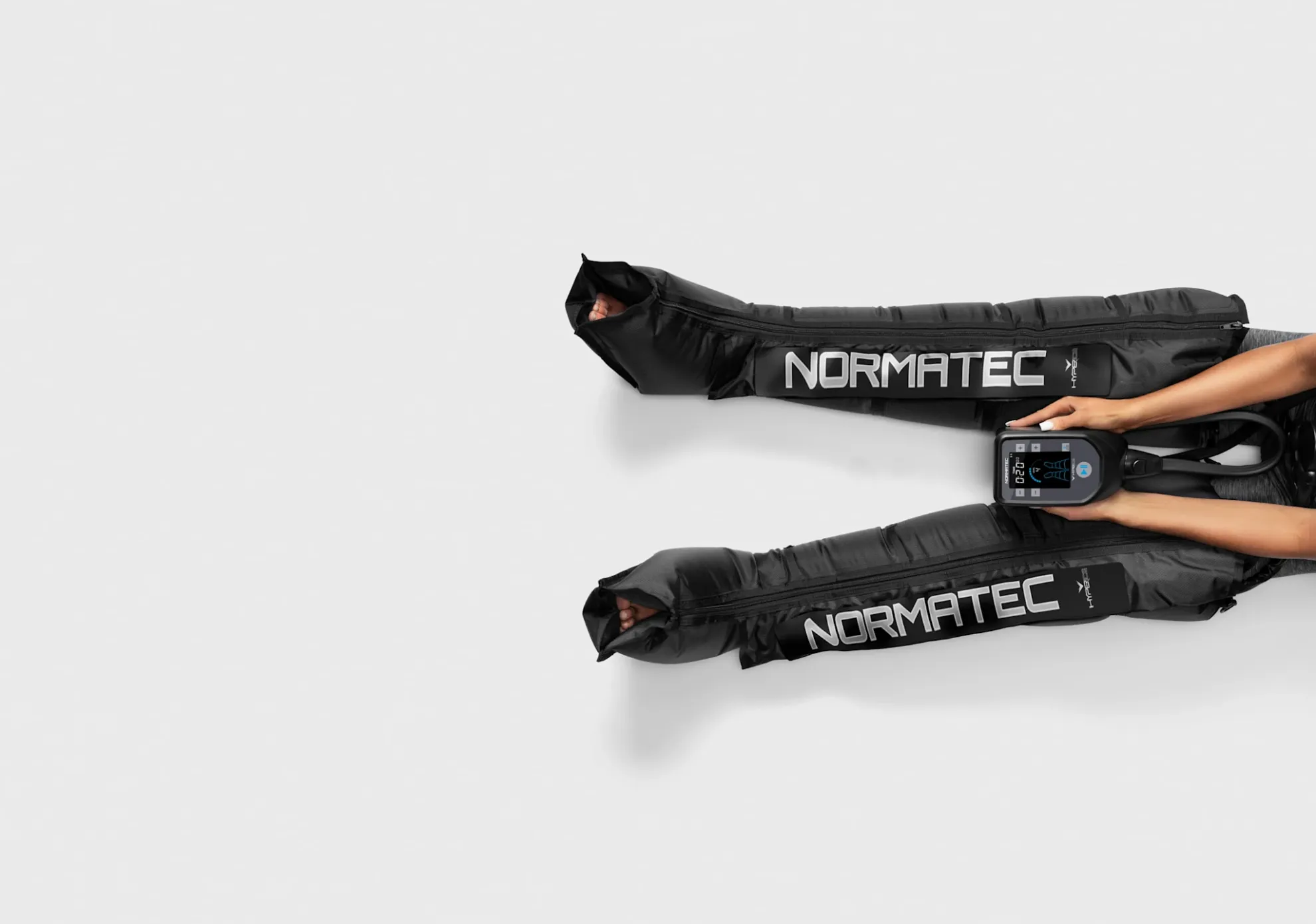
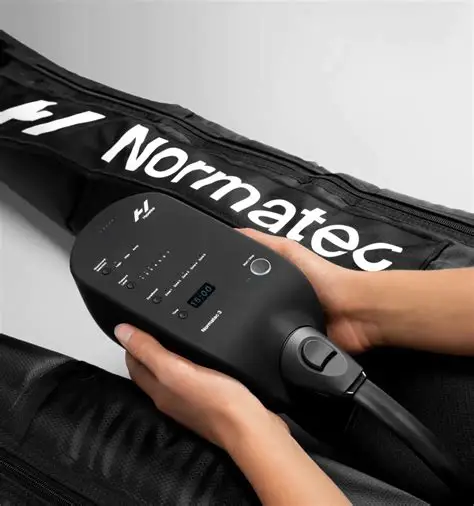
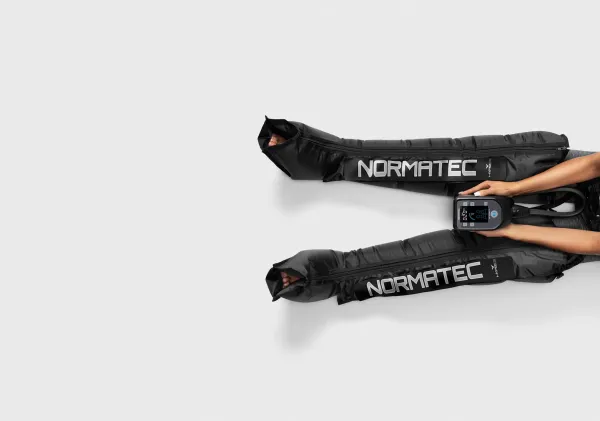
Normatec compression therapy consists of devices and attachments that massage your affected limbs with compressed air as a way to increase circulation. It’s a recovery system that’s commonly used by athletes as a way to rehabilitate their arms, hips and legs following workouts or competition.
It uses a pulsing action to mimic the muscle pump in your affected limbs to assist with properly moving metabolites and fluid out of the area. The one-way compression patterns ensure that the fluid circulation isn’t being pushed in the wrong direction.
Compression therapy is commonly used among athletes to help:
-
Decrease the risk of blood clots.
-
Reduce soreness after working out or playing a sport.
-
Improve muscle recovery time.
-
Increase range of motion.
-
Boost athletic performance.
Dynamic
Functional Stability
Dynamic
Functional
Stability